
First-Time Home Buyer Guide: What to Know Before You Buy
Entering the market as a first-time buyer involves far more than finding a favorite listing. According to National Association of Realtors data through 2024, first-time purchasers represent about 32% of recent home sales nationwide. That share highlights how common early-stage questions remain, from understanding down payments to interpreting inspection reports. In fast-moving metros such as Orlando, where neighborhoods around Lake Eola Park and Baldwin Park attract steady demand, preparation often makes the difference between securing a home and watching it go to another bidder.
How should a first-time home buyer define an affordable budget?
Establishing an affordable price range comes before touring homes along Colonial Drive or Lake Underhill Road. According to the Consumer Financial Protection Bureau, many lenders prefer that housing costs stay near 28% of gross monthly income, with total debt under roughly 36%. That framework helps prevent strain once property taxes, insurance, and maintenance join existing obligations like auto payments or student loans. A written budget that includes utilities, commuting from areas such as Lake Nona, and emergency savings gives a realistic ceiling long before a preapproval letter arrives.
Down payment planning also shapes affordability. According to HUD, Federal Housing Administration mortgages allow qualified borrowers to put as little as 3.5% down, often appealing to first-time purchasers near Valencia College East Campus or Dr. Phillips High School. However, smaller down payments increase monthly principal, interest, and mortgage insurance. Some buyers target 10% or even 20% down to reduce ongoing costs. Balancing savings goals with current rent near Downtown Orlando or Delaney Park requires honest timelines.
Closing costs further influence the real budget beyond the purchase price on a listing in Baldwin Park or Lake Como Park. The CFPB notes that typical closing expenses often range from roughly 2% to 5% of the loan amount, depending on lender fees, title services, and prepaid items. On a hypothetical home priced at $300,000, that could translate into an additional $6,000 to $15,000 due at signing. Factoring those figures early prevents unpleasant surprises once an offer near Orange Avenue or Semoran Boulevard gains acceptance.
Why is local market research essential before touring homes?
Market conditions in the corridors near Lake Eola Park, Thornton Park, and the Mills 50 District can shift noticeably within a single year. According to Redfin data through early 2025, Orlando listings in many central neighborhoods often go under contract in roughly 20 to 30 days, signaling limited inventory and steady demand. Studying recent sale prices around Lake Nona, Baldwin Park, and Lake Como Park teaches realistic expectations about what a budget of $250,000 to $300,000 actually affords.
Walkability and transportation also shape perceived value. According to Walk Score, Orlando earns a walk score near 41 overall, but neighborhoods around Orange Avenue, the Central Business District, and Thornton Park rate much higher. Proximity to SunRail stations, bus lines along Colonial Drive, and Orlando International Airport can shorten commutes significantly. Comparing those advantages against quieter residential streets near Moss Park or Delaney Park helps clarify which tradeoffs matter more than extra square footage.
On warm evenings around Lake Eola Park, the scent of food trucks drifts across the water while live music echoes from the Walt Disney Amphitheater. Joggers trace the glowing fountain, and café lights along Central Boulevard reflect off the lake’s surface. That atmosphere contrasts sharply with the calmer streets near Moss Park, where cicadas buzz and the air carries a faint pine fragrance, illustrating how neighborhood character extends beyond statistics and school ratings on GreatSchools.
What role do credit, mortgages, and interest rates play for first-time buyers?
Credit strength often determines whether lenders approve a mortgage for a townhome near Thornton Park or a single-family home off Lake Underhill Road. According to Consumer Financial Protection Bureau guidance, higher credit scores generally unlock lower interest rates and more loan options. Even a difference of 0.75% in rate on a $325,000 mortgage can shift monthly payments by over $150, adding up to tens of thousands over thirty years. Paying down revolving debt and correcting report errors months in advance often produces meaningful savings.
Interest rate trends also influence timing. Freddie Mac’s historical series, summarized by many market commentators, shows how average 30-year fixed rates have swung from near 3% to above 7% within only a few years. When rates sit toward the higher end, some buyers in Lake Nona or Baldwin Park target slightly smaller homes or townhomes rather than delaying indefinitely. Others use adjustable-rate or 2-1 buydown structures, understanding clearly the scheduled payment changes and refinance strategies if future rates ease.
Comparing loan products remains a central part of any serious first-time home buyer guide. Conventional loans, FHA financing, and VA loans each bring different minimum down payments, mortgage insurance rules, and appraisal standards. According to HUD, FHA’s 3.5% minimum helps many first-time purchasers, but its mortgage insurance premiums often last for the life of the loan when down payments fall below 10%. Understanding those tradeoffs prevents later frustration when planning moves to areas near Orlando Regional Medical Center or Valencia College.
How important are schools, amenities, and lifestyle factors in long-term satisfaction?
School performance affects both daily life and long-term resale prospects. According to GreatSchools, Dr. Phillips High School carries a solid rating compared with many statewide peers, drawing consistent interest to surrounding neighborhoods. Families frequently compare zoned schools near Lake Nona High School, Boone High School, and University High School as carefully as bedroom counts. Even buyers without children often recognize that strong public schools can support values, particularly in established districts around Baldwin Park and Delaney Park.
Amenities such as parks, restaurants, and entertainment venues define day-to-day experience just as powerfully as interior finishes. Residents who value nightlife might prefer proximity to the Amway Center, Camping World Stadium, or the restaurant clusters near Mills Avenue, accepting more street noise in exchange for shorter walks. Others gravitate toward quieter pockets around Lake Como Park, Delaney Park, or the tree-lined streets near Orlando City Hall and the Orlando Public Library, prioritizing calmer evenings and neighborhood dog walks.
On Saturday mornings in Baldwin Park, the smell of fresh coffee drifts from small cafés along New Broad Street while bicycles click softly over the brick crosswalks. Children’s laughter carries from Harbor Park as sunlight reflects sharply off Lake Baldwin’s surface. A few miles away, the shaded sidewalks near Delaney Park feel cooler and slower, with oak branches arching overhead and the distant bell from a nearby church marking the late morning hour for longtime residents.
What key steps complete the path from offer to closing?
Once a buyer identifies a home near Lake Nona, Moss Park, or the SoDo District, crafting a strong yet realistic offer becomes critical. According to Redfin, many Orlando homes still receive multiple offers, particularly when priced under $400,000. Earnest money deposits often range from roughly 1% to 3% of the purchase price, signaling commitment without overextending cash reserves. Contingencies for financing, appraisal, and inspection protect buyers while still presenting competitive terms in high-demand pockets.
Inspections provide another pivotal checkpoint. Professional inspectors commonly require 2 to 4 hours to examine major systems, roofs, and structural elements in older bungalows near Colonial Drive or newer builds in Lake Nona. Many reports run 30 to 50 pages, detailing recommended repairs, safety issues, and maintenance priorities. According to guidance from the Consumer Financial Protection Bureau, buyers benefit from reviewing every page, even when only a few issues justify negotiations or repair requests before closing.
Final loan approval and closing coordination finish the process. Lenders typically issue a Closing Disclosure at least 3 business days before signing, itemizing every fee down to the last dollar. Title companies or closing attorneys in Orlando then prepare documents transferring ownership, recording deeds with Orange County, and disbursing funds. A well-planned budget reserved for final adjustments, including last-minute escrows or prepaid items, keeps the move into a home near Lake Eola Heights or Lake Como Park financially stable.
The 32% first-time buyer share cited at the start of this guide reflects how many households now navigate these same lending standards, budget choices, and neighborhood comparisons in Orlando. That 32% figure from the opening underscores both the competition and the opportunity present across areas from Lake Nona to Baldwin Park. The National Association of Realtors research library offers monthly updates on buyer profiles, interest rate trends, and inventory shifts. Buyers who register listing alerts through a preferred brokerage platform and commit to touring promising homes within 48 hours before the peak spring market in April generally secure stronger positions. Those delaying preapproval or neighborhood research until after that seasonal surge often face steeper prices, tighter inventory, and fewer acceptable choices across central Orlando neighborhoods.
FROM OUR BLOG
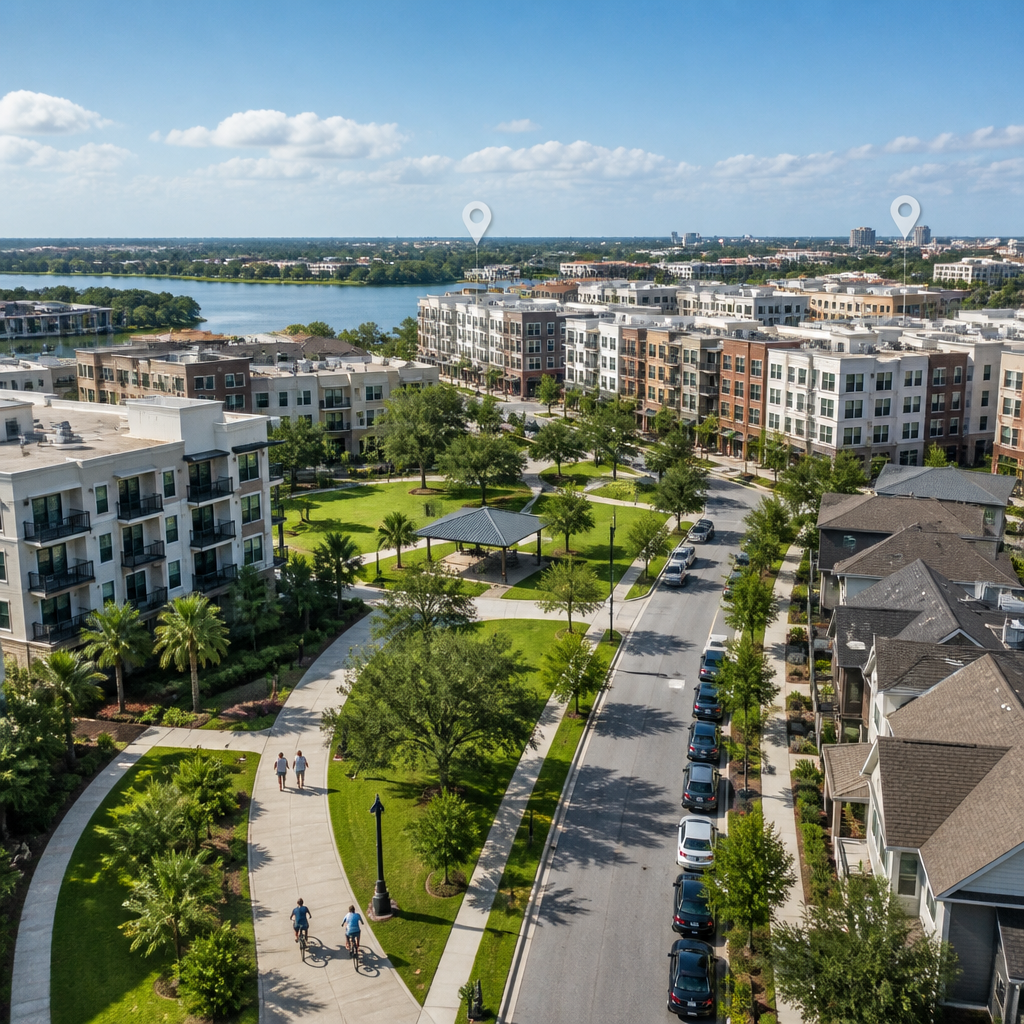
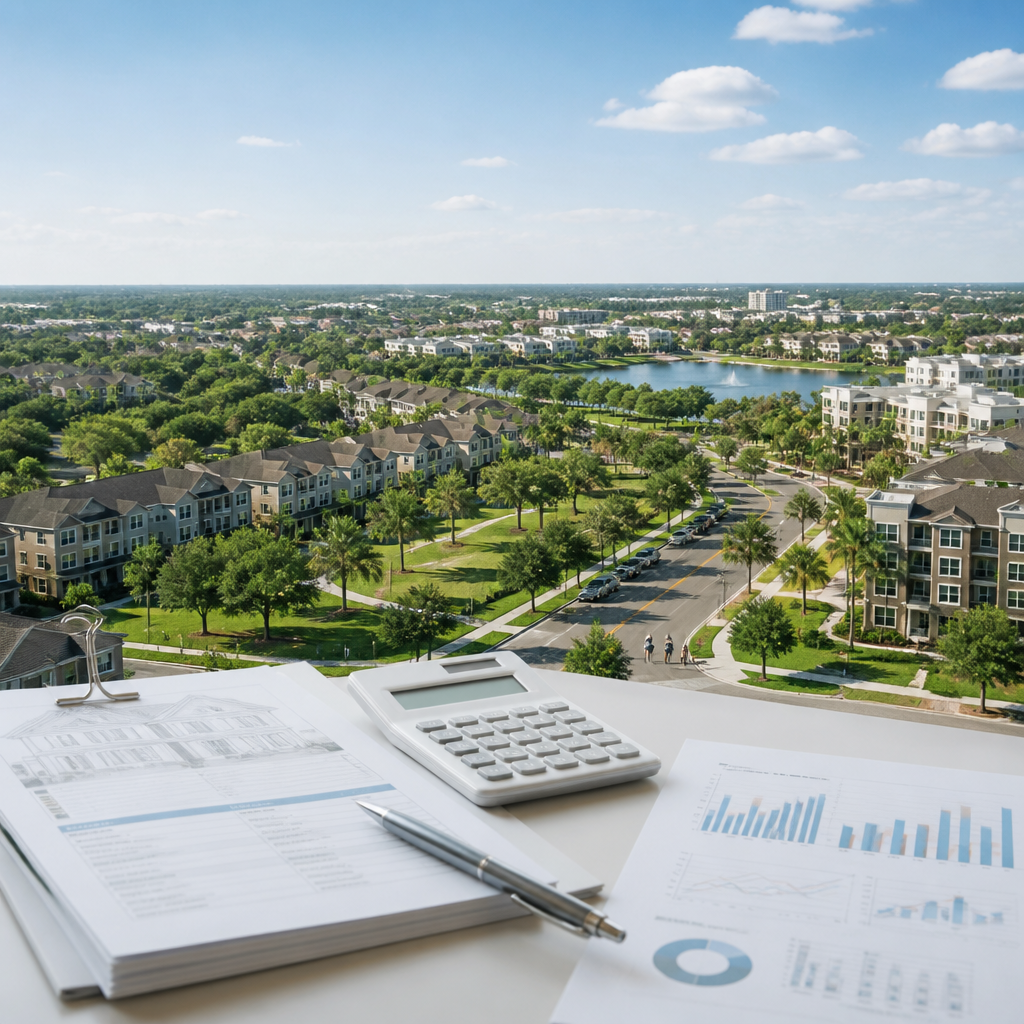
Finding Your Dream Home: Residential Homes for Sale in Your Area
Finding Your Dream Home: Residential Homes for Sale in Your Area Residential homes for sale across the Orlando–Kissimmee corridor present a wide spectrum of prices, styles, and lifestyles. According to Redfin, typical Orlando single-family homes have recently traded in a range between $350,000 and $
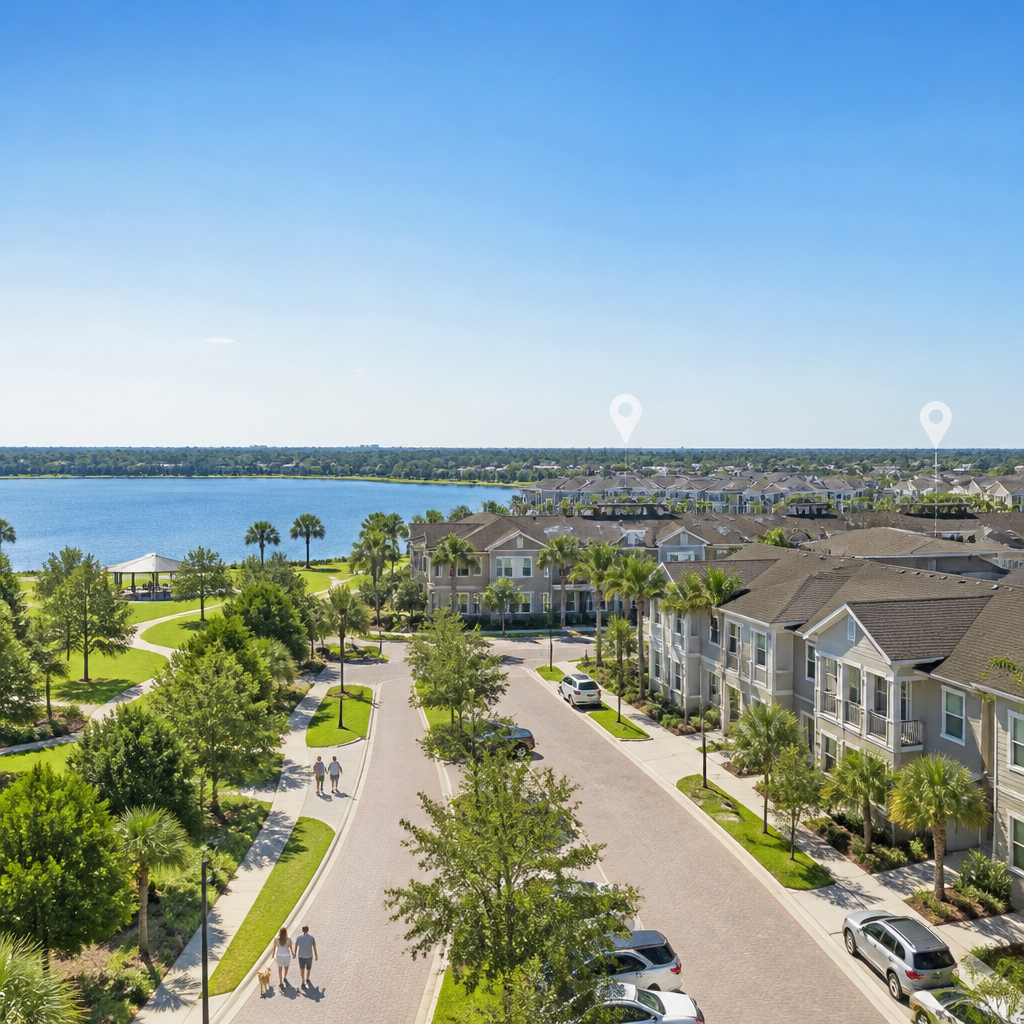
Top Downsizing Tips for Homeowners: Simplify Your Move in 2026
Top Downsizing Tips for Homeowners: Simplify Your Move in 2026 Downsizing in 2026 increasingly reflects demographic and financial shifts, with older-owner households projected to exceed 38% of all households by 2030, according to U.S. Census Bureau estimates. Many longtime owners in areas around Kis